Choosing the right belt can make heavy sets feel more stable, controlled, and repeatable.
Below, we break down 10 of the best weightlifting belts for home gyms, plus the key features that matter before you buy.
Best 10 Weightlifting Belts for Home Gyms Picks for 2026
Self-Locking Nylon Pick
Element 26 Self-Locking Weight Lifting Belt

- Automatic self-locking buckle for heavy lifts
- Breathable nylon with no break-in period
- Competition approved and easy to pack
Best For: Lifters who want a flexible, quick-release nylon belt for squats and deadlifts
Dip Belt Build

- Padded neoprene design for added comfort
- Steel chain supports plates or kettlebells
- Rated for up to 350 lbs of added weight
Best For: Weighted dips, pull-ups, and accessory exercises
Leather Stability Choice
Gymreapers Leather Weightlifting Belt

- Real reinforced leather with strong stitching
- 4-inch width for back and core support
- Lightweight and rolls up for storage
Best For: Lifters who want a classic leather belt with firm support
Auto-Lock Nylon Support
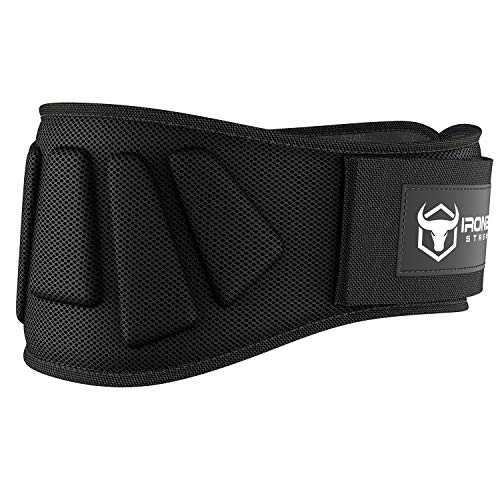
- 6-inch contoured nylon design
- Auto-lock buckle with Velcro strap
- Breathable neoprene and mesh build
Best For: Home lifters wanting quick-adjust support
Leather Power Belt
6 Inch Heavy Duty Lifting Belt

- Genuine double-sided leather build
- Suede lining for added comfort
- Reinforced stitching for durability
Best For: Lifters wanting a classic heavy-duty leather belt
Fast-Adjust Nylon Pick
Gymreapers Quick Locking Weight Lifting Belt

- Quick-lock buckle for fast changes between sets
- Lightweight nylon construction with reinforced stitching
- Competition-tested for multiple lifting styles
Best For: Home gym lifters who value quick adjustments and lightweight support
Traditional Leather Support
RDX Weight Lifting Belt Gym Fitness

- Genuine cowhide leather with 7 mm thickness
- 4-inch and 6-inch padded back support options
- Dual-prong buckle with 10 adjustment holes
Best For: Home gym lifters who want a structured leather belt for heavy squats and deadlifts
Comfortable Neoprene Support
DMoose Fitness Weight Lifting Belt

- 6-inch back support for stability on heavy lifts
- Breathable foam core adds cushioning and comfort
- Hook-and-loop closure makes fitting easy
Best For: Lifters who want a comfortable, adjustable belt for intense home workouts
Self-Locking Nylon Pick – Element 26 Self-Locking Weight Lifting Belt
If you want weightlifting belts for home gyms that are easy to use and built for fast transitions, this Element 26 nylon belt is a practical pick. The 4-inch profile, self-locking buckle, and pliable nylon construction are geared toward squats, deadlifts, cleans, and other core-heavy lifts without a long break-in period.
Best For: Lifters who want a competition-approved nylon belt with quick on/off convenience and a flexible fit.
Pros:
- Self-locking metal buckle is designed to engage automatically under load.
- Pliable nylon construction is breathable and does not retain sweat like some materials.
- Infinitely adjustable fit helps dial in pressure for different lifts and body positions.
- Competition approved and folds easily for gym bag storage.
Cons:
- Only available in one belt style, so it may not suit lifters who prefer a rigid leather feel.
- Hook-and-loop closure may not appeal to users who want a traditional buckle-only setup.
Overall, this is a strong home-gym belt for training variety and convenience, especially if you want dependable support without sacrificing comfort or portability. It is best suited to lifters who value adjustability and a lighter-feeling belt.
Dip Belt Build – DMoose Fitness Dip Belt
For home gyms centered on bodyweight progressions, this DMoose dip belt fits well into a weightlifting belts for home gyms roundup. It is designed for dips, pull-ups, squats, and other weighted exercises, with neoprene padding and a steel chain that make adding plates or kettlebells straightforward.
Best For: Athletes who want a padded dip belt for weighted pull-ups, dips, and similar accessory work.
Pros:
- Thick neoprene padding helps reduce lower back and hip strain.
- Heavy-duty steel chain supports secure plate or kettlebell attachment.
- Built for up to 350 lbs of added weight.
- Reinforced stitching, strong carabiners, and nylon strap support durability.
Cons:
- This is a dip belt, so it is not a substitute for a traditional squat or deadlift belt.
- Universal sizing may not provide the same tailored feel as more adjustable belts.
As a specialized training tool, this belt is best when your home workout plan includes weighted calisthenics and accessory loading. If you need support for dips and pull-ups more than barbell bracing, it makes a lot of sense.
Leather Stability Choice – Gymreapers Leather Weightlifting Belt
If you want a more traditional option in weightlifting belts for home gyms, this Gymreapers leather belt is built around durability and firm support. The real reinforced leather, 4-inch width, and lightweight metal buckle are aimed at lifters who want a sturdy belt that stays comfortable through squats and heavy training.
Best For: Lifters who prefer a real leather belt with a compact feel and solid bracing support.
Pros:
- Made from real reinforced leather with reinforced stitching.
- 4-inch width provides back, spine, and core support for heavy lifts.
- Lightweight design is meant to feel less bulky around the waist.
- Rolls up for easier storage in a gym bag.
Cons:
- Leather construction may feel less flexible than nylon or padded options.
- At 1.2 pounds, it is heavier than some minimalist belt styles.
This belt is a good fit if you want straightforward lifting support with a more classic leather feel. It balances portability and structure well for home lifters focused on squatting and progressive overload.
Extra-Wide Support Pick – RitFit 6 Inch Weight Lifting Belt
For home gym lifters who want extra coverage, this RitFit belt stands out among weightlifting belts for home gyms thanks to its 6-inch contoured design. The reinforced tricot construction, velcro strap, and stainless steel buckle are meant to deliver snug support for squats, deadlifts, and core-focused training.
Best For: Lifters who want an extra-wide, padded belt with fast adjustments and broad lower-back coverage.
Pros:
- 6-inch contoured profile offers comprehensive back, abs, and core support.
- Reinforced tricot material is built for comfort and durability.
- Velcro strap and stainless steel buckle make adjustments quick and easy.
- Available in multiple sizes and colors for broader fit options.
Cons:
- The extra-wide 6-inch profile may feel bulky for some lifters.
- Not as compact as thinner belts when packed or worn.
For lifters who want more surface area and a snug, supportive fit, this is a compelling home-gym option. It is especially appealing if you prefer quick adjustments and a padded feel during heavy lower-body work.
Auto-Lock Nylon Support – 6 Inch Weightlifting Belt
If you want weightlifting belts for home gyms that are easy to tighten and quick to use, this 6-inch nylon option is built for fast setup and solid back support. The contoured shape, wide Velcro strap, and auto-lock buckle make it a practical pick for squats, deadlifts, rows, and other strength work.
Best For: Home lifters who want a lightweight, supportive belt with fast adjustments and a secure fit.
Pros:
- 6-inch contoured design with a wide back area for support.
- Auto-lock fastening and Velcro closure for quick, secure adjustments.
- Neoprene and mesh build is described as comfortable and breathable.
- Works well for squats, deadlifts, rows, and cross training.
Cons:
- Sizing requires measuring true waist size, not pants size.
- May be better suited to lifters who prefer a softer nylon feel over leather.
This belt stands out if you want a simple, confidence-boosting support belt that is easy to wear for frequent home workouts. It leans more toward comfort and convenience than a rigid leather feel.
RitFit Support Belt – 6 Inch Squat and Deadlift Belt
Among weightlifting belts for home gyms, this RitFit model is aimed at lifters who want a snug, supportive wrap for heavier squats and deadlifts. The extra-wide contoured shape, reinforced tricot material, and easy-adjust velcro and buckle setup make it a straightforward training belt for core stability.
Best For: Home gym users looking for a comfortable, adjustable belt for squat and deadlift sessions.
Pros:
- 6-inch extra-wide contoured design supports back, abs, and core.
- Premium reinforced tricot is described as durable and comfortable.
- Velcro strap plus stainless steel buckle makes adjustments quick.
- Available in multiple colors and a wide size range.
Cons:
- As with all such belts, correct sizing depends on measuring your waist accurately.
- Some users may prefer a firmer leather belt for a more rigid feel.
This is a balanced all-around choice if you want support without a complicated setup. It is especially appealing for lifters who value comfort, easy adjustment, and a belt that can handle repeated home training.
Leather Power Belt – 6 Inch Heavy Duty Lifting Belt
If you prefer a traditional feel in weightlifting belts for home gyms, this genuine leather model is built for heavy-duty support and long-term use. It uses a widened structure, suede lining, and reinforced stitching to provide back and abdominal support during weightlifting, cross training, and general strength work.
Best For: Lifters who want a sturdy leather belt with a more classic powerlifting-style feel.
Pros:
- Genuine double-sided leather construction for a durable feel.
- Suede lining adds comfort and helps protect the skin.
- Reinforced stitching is designed for high-strength use over time.
- 6-inch width offers extra support for lifting and training.
Cons:
- Requires careful sizing using true waist measurements, not pant size.
- Leather belts are typically less flexible than nylon or EVA options.
This belt is a strong option if you want a more substantial, heavy-duty setup for serious lifting at home. It favors durability and firm support, which may appeal to lifters who want a more traditional belt feel.
Fast-Adjust Nylon Pick – Gymreapers Quick Locking Weight Lifting Belt
For home gyms that move fast from set to set, this weightlifting belt for home gyms focuses on convenience without giving up support. The nylon build, same-width profile, and quick-locking metal buckle make it a practical pick for training sessions that mix lifting styles and short rests.
Best For: Lifters who want a lightweight, fast-on/fast-off belt for cross training, Olympic lifting, and power work at home.
Pros:
- Quick-locking metal buckle speeds up changes between exercises.
- 100% nylon construction keeps the belt lightweight and performance-focused.
- Same width around the belt is designed for stable core support.
- Competition-tested for lifting, bodybuilding, powerlifting, and cross training.
Cons:
- Requires accurate sizing by measuring around the navel, not pant size.
- Less traditional than a leather lever or prong belt.
Overall, this is a strong choice if your home gym sessions are varied and you want a belt that is easy to adjust without feeling bulky. It is built more for efficient training flow than old-school stiffness.
Traditional Leather Support – RDX Weight Lifting Belt Gym Fitness
If you want a sturdier belt for heavy sessions, this weightlifting belt for home gyms leans into leather support and adjustability. The cowhide build, padded lumbar back, and dual-prong roller buckle are aimed at lifting stability during squats, deadlifts, and other strength work.
Best For: Lifters who want a traditional leather belt with strong lumbar support and multiple size settings.
Pros:
- Genuine cowhide leather with a 7 mm thickness for durable pressure absorption.
- 4-inch and 6-inch options with padded back support for bracing.
- Dual-pronged roller buckle and reinforced rivets help reduce slipping.
- 10 adjustable holes make it easier to fine-tune the fit.
Cons:
- Size must be measured carefully around the lower back and belly button.
- Leather construction is less flexible than neoprene or nylon belts.
This is a solid pick for home gym lifters who want a more classic, structured feel. Its combination of padding, leather durability, and secure buckle system makes it well suited to heavier barbell work.
Comfortable Neoprene Support – DMoose Fitness Weight Lifting Belt
For lifters looking for a comfortable option among weightlifting belts for home gyms, this neoprene model emphasizes stability with a softer feel. The 6-inch back support, breathable foam core, and hook-and-loop closure make it a practical choice for intense workouts and longer training sessions.
Best For: Men and women who want a comfortable, adjustable belt for squats, deadlifts, and cross training at home.
Pros:
- Premium neoprene and nylon materials balance durability with flexibility.
- 6-inch back support helps add stability during heavy lifts.
- Hook-and-loop closure makes fit adjustments simple.
- Breathable foam core adds cushioning for longer sessions.
Cons:
- Size is based on the model’s Medium sizing, so fit checks matter.
- Less rigid than a leather powerlifting belt.
In a home gym setting, this belt stands out for comfort and ease of use. It is a good option if you want dependable support without committing to a stiff, traditional lifting belt.
How We Picked the Best Weightlifting Belts for Home Gyms
We focused on belts that make sense for home-gym training: secure closure systems, durable materials, comfortable contact points, and versatile sizing for common lifts like squats, deadlifts, presses, and pull-ups. We also favored options that balance support with ease of use, since home lifters often want one belt that works across multiple sessions.
Quick Comparison
For the fastest decision, think in three buckets: lever or quick-lock belts for fast on/off and consistent tightness, leather belts for maximum rigidity and heavy compound lifting, and padded or auto-lock styles for more comfort and broader workout use. If you train several movements in one session, a more adjustable belt can be the better all-around choice.
Key Buying Factors for Weightlifting Belts for Home Gyms
Support and Stiffness
Thicker, stiffer belts generally provide more bracing for heavy squats and deadlifts. Softer or padded belts can feel better for mixed training, but they usually trade away some rigidity.
Fit and Adjustability
A proper fit matters more than brand name. Look for enough sizing range to dial in a tight but breathable brace. Auto-lock, quick-lock, and multi-hole leather designs can all work well if they let you fine-tune tension.
Material and Comfort
Leather is the standard for serious strength work because it resists flexing. Neoprene and padded designs may be more comfortable for longer sessions or higher-volume accessory work, especially if you’re training at home without long rest periods.
Training Style
If your routine centers on powerlifting or progressively heavier barbell work, prioritize rigidity and secure locking hardware. If you want one of the most versatile Weightlifting Belts for Home Gyms, choose a model that is comfortable enough for repeated use across multiple lifts.
Who Should Buy Which Weightlifting Belts for Home Gyms?
Choose a leather belt if you want the most support for heavy compound lifts. Choose a quick-lock or auto-lock belt if convenience and fast adjustments matter most. Choose a padded belt if comfort and versatility are more important than maximum stiffness. For home gym owners, the best pick is usually the one that fits your torso, training frequency, and main lift selection cleanly.
In short, the right belt should feel secure without limiting your setup time or movement quality. Match the belt to your lifting goals, and you’ll get better value from every session.