The right lifting grips can help you hold heavier loads, reduce hand fatigue, and train more consistently when grip strength becomes the limiting factor.
We compared 10 options for lifting, pulling, deadlifting, cable work, and grip development so you can choose the support that matches your routine.
Best 10 Lifting Grips for Strength Training Picks for 2026
Best Palm Protection
NiuMid Anti-Slip Workout Grips

- Textured silicone helps secure sweaty hands
- Fingerless design supports palm comfort
- Lightweight and includes a carrying case
Best For: Mixed strength training and palm protection
Best Traditional Straps
Gymreapers 18-Inch Cotton Lifting Straps

- 18-inch cotton webbing supports multiple wraps
- Neoprene padding improves wrist comfort
- Useful for heavy pulling movements
Best For: Deadlifts and high-volume back training
Best Washable Design
Jopplim Silicone Workout Grips
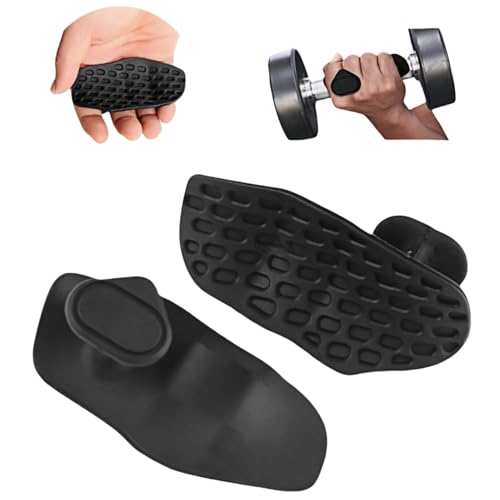
- Flexible silicone follows the palm and fingers
- Rinses clean and dries quickly
- Includes two grips and a carry bag
Best For: Frequent gym sessions and palm protection
Best Heavy-Pull Support
Gymreapers Weight Lifting Hooks

- Metal-coated hooks support heavy pulling
- Rated up to 250 pounds per hook
- Adjustable neoprene wrist padding
Best For: Heavy deadlifts, rows, shrugs, and pull-ups
Best for Cable Workouts

- Triangular D-rings help stabilize the load.
- Textured, sweat-resistant double-layer material.
- 10 mm padded wrists for added comfort.
Best For: Cable-machine pulling exercises and versatile strength workouts
Best for Grip Progression
FitBeast 5-Piece Grip Strengthener Kit

- Five tools cover hand, finger, and forearm training.
- Adjustable resistance ranges from 10 to 132 pounds.
- Compact kit works at home, work, or while traveling.
Best For: Progressive grip strengthening and rehabilitation-focused routines
Best for Fast Barbell Setup
Fitgriff Elite Rubber Grip Straps

- Anti-slip rubber bulge supports bar control.
- Hook-and-release design speeds up setup.
- Neoprene padding and left/right markings aid comfort and fit.
Best For: Heavy deadlifts, rows, pull-ups, and lat pulldowns
Adjustable Hand Strengthener

- Six resistance levels from 50–300 lb
- Metal knurled handles and carbon steel springs
- Compact, ambidextrous design with grip pads
Best For: Progressive hand, wrist, and forearm training
Silicone Training Aid

- Flexible silicone with suction-cup traction
- Fingerless design helps preserve hand movement
- Includes a portable storage case
Best For: Palm protection during versatile gym workouts
Load-Support Hooks
RDX Deadlift and Pulling Hooks

- Rubber-coated steel hooks resist slipping
- 300 lb per hook; 600 lb combined capacity
- 8 mm neoprene wrist support with adjustable straps
Best For: Heavy deadlifts and grip-limited pulling exercises
Best Palm Protection – NiuMid Anti-Slip Workout Grips
These NiuMid grips are a practical option for shoppers comparing lifting grips for strength training with traditional gloves. Their fingerless, ergonomic design and textured silicone surface aim to improve bar control while helping protect your palms during weightlifting, pull-ups, deadlifts, and general gym work.
Best For: Lifters who want lightweight, fingerless palm coverage for mixed strength-training workouts.
Pros:
- Textured, non-slip rubber surface is designed to maintain grip on bars and dumbbells, including with sweaty hands.
- Fingerless ergonomic shape supports hand comfort during longer sessions.
- Helps reduce palm fatigue, calluses, and blisters.
- Lightweight design includes a carrying case and is suitable for men and women.
Cons:
- Silicone construction may provide less wrist support than lifting straps.
- The compact size specification may not suit every hand shape.
Choose these grips if palm protection and direct contact with the equipment matter more to you than wrist assistance. They are versatile for everyday gym training, though heavy pulling specialists may prefer straps or hooks.
Best Traditional Straps – Gymreapers 18-Inch Cotton Lifting Straps
Gymreapers’ cotton straps are a straightforward choice among lifting grips for strength training when grip fatigue limits pulling performance. The 18-inch length allows multiple wraps around barbells, dumbbells, and cable attachments, while padded neoprene wrist sections add comfort during heavy or high-repetition work.
Best For: Deadlifts, rows, shrugs, rack pulls, and other pulling movements where forearm fatigue comes first.
Pros:
- Heavy-duty cotton webbing is designed for repeated gym use.
- Extra-long 18-inch straps allow multiple wraps and broad equipment compatibility.
- Padded neoprene helps reduce digging, pinching, and wrist irritation.
- Designed to shift more workload toward the back, traps, and lats.
Cons:
- Straps can reduce the grip challenge, which may not suit every training goal.
- Wrapping and securing them takes more setup than slip-on grips.
This pair is a sensible pick for lifters who want a familiar cotton strap with added wrist padding. It prioritizes load support and durability over quick transitions between exercises.
Best Washable Design – Jopplim Silicone Workout Grips
Jopplim’s palm-focused grips offer a glove alternative for shoppers seeking lifting grips for strength training without full hand coverage. The flexible silicone pads are shaped to follow the palm and fingers, with a washable, quick-drying design suited to bodybuilding, rowing, shrugs, barbell work, and cross-training.
Best For: Gym users who want universal-size palm protection that is easy to rinse and carry.
Pros:
- Ergonomic palm-and-finger shape is designed to improve friction and bar control.
- Silicone construction helps protect against calluses, blisters, and palm fatigue.
- Rinses with water and is designed to dry quickly with less odor buildup.
- Includes two grips and a carry bag.
Cons:
- Universal sizing offers less adjustability than wrist-secured straps.
- Palm grips do not provide the same pulling assistance as hooks.
The washable construction makes this set especially practical for frequent gym users. Consider it when hygiene, portability, and palm comfort are higher priorities than maximizing support on very heavy pulls.
Best Heavy-Pull Support – Gymreapers Weight Lifting Hooks
Gymreapers lifting hooks are the most support-oriented option here for shoppers comparing lifting grips for strength training. Their metal-coated hooks attach to barbells, dumbbells, and machines to reduce the role of hand and forearm grip during deadlifts, shrugs, pull-ups, rows, and other demanding pulls.
Best For: Heavy pulling sessions where grip fatigue prevents you from focusing on the target muscles.
Pros:
- Each hook is rated for up to 250 pounds according to the supplied product information.
- Metal-coated construction is designed to resist wear and bending.
- Padded, adjustable neoprene wrist straps support a secure fit.
- Helps offload stress from the hands and forearms during long or heavy sessions.
Cons:
- Hooks reduce direct grip engagement, so they are not ideal when developing unassisted grip strength.
- They may be less convenient for quick transitions than palm grips.
These hooks make the most sense for experienced lifters who want to keep heavy pulling work focused on the back, lats, traps, or glutes. Their stronger assistance comes with less hands-on bar control than conventional grips or straps.
Best for Cable Workouts – 2-in-1 D-Ring Lifting Straps
These 2-in-1 lifting grips for strength training are designed for cable-machine exercises and other pulling movements. Nylon construction, triangular D-rings, textured material, and padded wrist support aim to improve stability and comfort during demanding sessions.
Best For: Lifters who want versatile straps for pulldowns, pull-ups, flyes, and other cable-based strength exercises.
Pros:
- Triangular D-ring design helps centralize the anchor point and distribute load.
- Double-layered, sweat-resistant material has a textured surface for added friction.
- 10 mm wrist padding helps cushion the wrists and reduce chafing.
- Can attach to gym equipment for several different pulling exercises.
Cons:
- The listed medium size fits 6.3–8.3-inch wrists, so sizing may limit compatibility.
- These are straps rather than standalone hand-grip strengtheners.
The D-ring layout and cushioned wrist design make this a practical choice when cable work and wrist comfort are priorities. Check the stated wrist range before ordering.
Best for Grip Progression – FitBeast 5-Piece Grip Strengthener Kit
Unlike lifting straps, this five-piece kit builds the hand and forearm strength that supports lifting performance. It combines adjustable resistance with several compact tools, making it a flexible option for people seeking lifting grips for strength training and general grip development.
Best For: Beginners through advanced users who want adjustable grip work, finger exercises, or a portable training and rehabilitation kit.
Pros:
- Five-piece set includes an adjustable hand gripper, finger exerciser, finger stretcher, grip ball, and grip ring.
- Resistance can be adjusted from 10 to 132 pounds for gradual progression.
- Compact design is suitable for home, office, travel, or gym use.
- Textured, non-slip rubber handles are designed for a secure hold.
Cons:
- It does not attach to barbells or cable machines like lifting straps.
- The variety of tools may be more than needed for shoppers seeking one simple gripper.
This kit is best viewed as a grip-strength training system rather than a bar-support accessory. Its adjustable resistance and five tools give users room to vary their routine over time.
Best for Fast Barbell Setup – Fitgriff Elite Rubber Grip Straps
For heavy pulling days, these rubber-grip lifting grips for strength training focus on quick setup and bar control. The anti-slip bulge, wrist padding, left/right markings, and hook-and-release system are intended to simplify use across deadlifts, rows, pull-ups, and lat pulldowns.
Best For: Dedicated lifters who want padded wrist straps with a rubber gripping surface and faster orientation during repeated sets.
Pros:
- Natural rubber grip includes an anti-slip bulge for barbell handling.
- Hook-and-release system reduces the need for traditional wrapping.
- Neoprene wrist padding helps protect the skin during heavy lifts.
- Left/right markings and four available sizes support quicker fitting.
Cons:
- Choosing the correct size requires consulting the size chart.
- Users between sizes are advised to choose the smaller option, which may feel restrictive initially.
- The product is focused on lifting straps, not independent grip-strength exercises.
The Elite Straps stand out for lifters who value a grippy rubber surface and efficient setup. Their fit guidance is important, especially because the material is expected to stretch slightly over time.
Adjustable Hand Strengthener – Six-Level Grip Trainer Set
If you want lifting grips for strength training that focus on building hand, wrist, and forearm strength, this six-piece gripper set offers a broad range of resistance. Its compact design also makes it practical for home, office, or travel use.
Best For: Progressive grip training, general fitness, climbers, musicians, and rehabilitation-focused exercise.
Pros:
- Includes six resistance levels from 50 to 300 pounds.
- Aluminum knurled handles and carbon steel springs are designed for durability and a non-slip hold.
- Ambidextrous ergonomic design trains fingers, hands, wrists, and forearms.
- Includes two pairs of grip pads to help prevent slipping.
Cons:
- This is a hand-gripper set rather than a barbell or pull-up grip aid.
- The listed resistance range may be more than beginners need.
Choose this set if you want multiple resistance options in one portable package. It is particularly useful for gradually increasing grip-training difficulty, though it will not directly reduce grip fatigue during loaded barbell lifts.
Silicone Training Aid – Anti-Slip Gym Grip Pads
For lifting grips for strength training that prioritize palm comfort and traction, these silicone pads provide a lightweight, fingerless alternative to gloves. The curved design is intended to improve contact with equipment while helping reduce calluses and blisters.
Best For: CrossFit-style workouts, bodybuilding, deadlifts, rows, shrugs, dumbbell work, and other pulling or pushing exercises.
Pros:
- Silicone pads use positioned suction cups to support grip stability, including with sweaty hands.
- Curved ergonomic construction helps ease surface friction on the palm.
- Fingerless design allows unrestricted movement and quick on-and-off use.
- Includes a portable cloth case with a hook.
Cons:
- Available details list a medium, general adult fit rather than multiple sizes.
- Hand wash only care may require extra maintenance.
- These pads provide palm coverage but do not include wrist support.
This set is a practical choice when you want direct contact with the bar plus protection from friction. The silicone construction and fingerless format suit versatile gym sessions, while lifters needing wrist stabilization may prefer a wrap-style grip.
Load-Support Hooks – RDX Deadlift and Pulling Hooks
These lifting grips for strength training are built for lifters whose hands give out before their back or pulling muscles. The hook-and-wrap design transfers more of the load toward the wrists, making it suited to deadlifts, rows, pull-ups, and pulldowns.
Best For: Heavy deadlifts, lat pulldowns, rows, pull-ups, bodybuilding, and grip-heavy strength sessions.
Pros:
- Steel hooks have a textured rubber coating for a slip-resistant hold.
- Each hook is rated for 300 pounds, with a stated 600-pound combined capacity.
- Wide 6.5 cm hook surfaces provide contact across several types of equipment.
- 8 mm neoprene wrist supports and adjustable 40 cm hook-and-loop straps add cushioning and adjustability.
Cons:
- Hooks reduce the grip demand, so they are not intended for developing unassisted hand strength.
- The wrap-and-hook design may take practice to position securely.
These hooks make the most sense when grip fatigue is limiting back or pulling work. Their broad rubber-coated hooks and padded wrist wraps emphasize load support and stability, rather than the direct palm protection offered by silicone grips.
How We Picked the Best Lifting Grips for Strength Training
We evaluated these products by looking at their intended use, grip material, wrist support, adjustability, comfort, and suitability for common strength-training movements. The selection includes lifting straps, hooks, palm-style grips, workout gloves, and dedicated hand grippers because each solves a different grip problem.
Durability and secure handling matter most. A useful grip aid should stay positioned during repeated sets without creating excessive pressure, restricting movement, or making it difficult to release a bar safely. We also considered whether each design is better suited to barbells, dumbbells, pull-up bars, cable machines, or forearm training.
Quick Comparison
- Best for general pulling: Traditional padded lifting straps offer versatile support for rows, deadlifts, shrugs, and pulldowns.
- Best for maximum load assistance: Lifting hooks can reduce the grip demand during heavy deadlifts and pulling exercises.
- Best for palm protection: Silicone or rubber workout grips help reduce friction and calluses while preserving a more natural hand position.
- Best for cable workouts: Two-in-one straps with D rings are convenient for machines and accessory movements.
- Best for building grip strength: Adjustable grippers and multi-piece strengthener kits provide progressive resistance away from the gym.
Key Buying Factors for Lifting Grips for Strength Training
Grip Style and Exercise
Choose straps when you want a flexible connection around a bar. Hooks are more supportive for very heavy pulls but may feel less natural and are not ideal for every movement. Palm grips are a better match for pull-ups, kettlebells, and people who mainly want hand protection.
Materials and Padding
Look for durable webbing, reinforced stitching, and padding that protects the wrist without becoming bulky. Rubber or silicone contact surfaces can improve traction, while breathable materials may feel more comfortable during high-volume sessions.
Fit and Adjustability
Wrist wraps should fit securely without numbness or pressure points. Check the length, closure system, and whether the design accommodates your wrist size. Adjustable hand grippers should offer resistance levels that match your current strength and provide room to progress.
Safety and Technique
Grip aids should support good technique rather than compensate for uncontrolled lifting. Practice securing and releasing straps with light loads first, and avoid relying on hooks or straps for exercises where a fast release is essential.
Who Should Buy Which Lifting Grips for Strength Training?
Beginners and general gym users should start with versatile straps or palm-protection grips that work across rows, pulldowns, deadlifts, and pull-ups. Heavy deadlifters and powerlifters may prefer padded straps or hooks, depending on whether they want a secure wrap or maximum load assistance.
Pull-up and calisthenics enthusiasts can benefit from anti-slip palm grips that protect the hands while preserving bar feel. Cable-machine users should consider D-ring designs for quick setup. Athletes focused on forearm development should choose an adjustable grip-strength kit and use it alongside, rather than instead of, regular lifting.