The best fitness tracker for cycling should make rides easier to measure, not harder to manage. GPS accuracy, heart-rate data, battery life, screen visibility, and water resistance all matter—but the right balance depends on how and where you ride.
We compare 10 cycling-friendly wearables and bike computers, from compact activity bands to dedicated GPS hardware and advanced performance monitors.
Best 10 Fitness Tracker for Cycling Picks for 2026
Best GPS Fitness Tracker
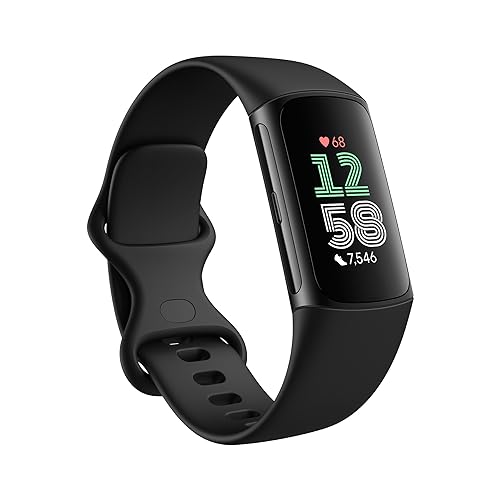
- Built-in GPS with Google Maps directions
- 40+ exercise modes and automatic tracking
- Up to 7 days of battery life
Best For: Cyclists wanting a wearable for rides, health metrics, and daily fitness
Best Dedicated Bike Computer

- Handlebar-mounted 2-inch GPS display
- More than 50 hours of listed battery life
- IPX6 water resistance and two-year warranty
Best For: Cyclists who want dedicated ride data at a glance
Best Long-Battery Fitness Band

- Bright 1.72-inch AMOLED touchscreen
- Up to 21 days of listed battery life
- Tracks cycling, sleep, heart rate, and blood oxygen
Best For: Phone-carrying cyclists who prioritize display quality and battery life
Best Budget Multisport Tracker

- 112 sports modes, including cycling
- GPS via a connected smartphone
- Up to 7 days of battery life and two included bands
Best For: Casual cyclists wanting broad workout tracking and smart notifications
Best Heart-Rate Companion

- Bluetooth and ANT+ connectivity
- Lightweight, secure fit
- Up to 24-hour battery life
Best For: Cyclists adding heart-rate data to an existing training setup
Best Recovery-Focused Wearable
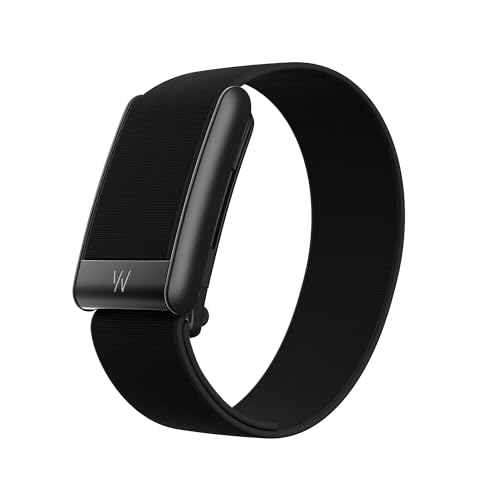
- Tracks recovery, strain, and sleep
- 14+ days of battery life
- Strava and health-platform integrations
Best For: Cyclists focused on recovery and personalized training guidance
Best Budget Smartwatch Option

- Tracks cycling among 140+ sports modes
- 1.83-inch HD touchscreen
- 5–7 days of stated daily battery life
Best For: Casual cyclists wanting a display and everyday smartwatch features
Versatile Training Companion
MorePro 120+ Sport Fitness Tracker
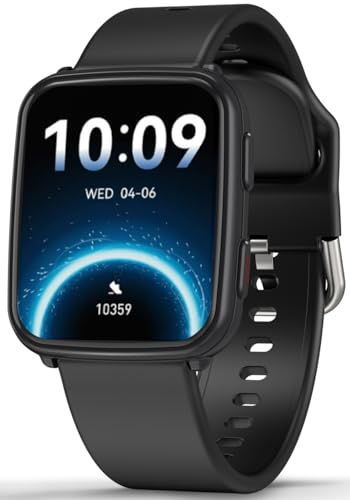
- 120+ sport modes for cycling and cross-training
- Tracks distance, calories, heart rate, and workout time
- IP68 design with up to 7 days of normal-use battery
Best For: Cyclists seeking broad workout and everyday health tracking
Simple Ride Tracking Pick
AMOLED Fitness Tracker with Connected GPS

- 25 sports modes with connected GPS route recording
- Tracks distance, calories, heart rate, and exercise time
- 1.10-inch AMOLED screen and IP68 water resistance
Best For: Casual cyclists wanting basic ride data and route tracking
Large-Display Cycling Option
Smart Watch with 120 Sports Modes

- Large 1.58-inch display for easier on-wrist viewing
- 120+ exercise modes and phone-connected GPS routes
- IP68 design with customizable faces and smart notifications
Best For: Cyclists wanting a readable, feature-rich smartwatch companion
Best GPS Fitness Tracker – Fitbit Charge 6
For shoppers seeking a fitness tracker for cycling, the Fitbit Charge 6 combines built-in GPS with all-day activity tracking, heart-rate monitoring, and more than 40 exercise modes. Google Maps turn-by-turn directions and up to seven days of battery life add practical value for regular rides and everyday wear.
Best For: Cyclists who want a compact wearable with GPS, health tracking, sleep insights, and smart Google features.
Pros:
- Built-in GPS tracks routes without relying solely on a phone.
- Offers 24/7 heart-rate tracking, Active Zone Minutes, sleep scoring, and Daily Readiness.
- Supports more than 40 exercise modes and automatic exercise tracking.
- Includes Google Maps directions and Google Wallet contactless payments.
Cons:
- Google Health Premium features require a separately sold subscription after the trial.
- Its listed 1.04-inch display is smaller than that of a dedicated bike computer.
The Charge 6 is a versatile choice when cycling is part of a broader fitness routine. Its built-in GPS and cycling-friendly navigation are useful on rides, while its sleep and recovery features support training beyond the bike.
Best Dedicated Bike Computer – CYCPLUS G1 GPS Bike Computer
The CYCPLUS G1 is a focused alternative to a wrist-based fitness tracker for cycling. Its handlebar-mounted 2-inch display shows route, distance, ride time, mileage, and altitude, while the wireless design, automatic backlight, and IPX6 rating suit regular outdoor rides.
Best For: Road and recreational cyclists who prioritize clear ride data, long battery life, and a dedicated handlebar display.
Pros:
- Dynamic GPS positioning records routes and displays key cycling metrics.
- Large 2-inch FSTN screen with automatic backlight is designed for daytime and nighttime visibility.
- Up to more than 50 hours of listed battery life reduces charging frequency.
- Lightweight 70-gram wireless design includes IPX6 water resistance and a two-year warranty.
Cons:
- It focuses on cycling data rather than broader wellness features such as sleep or heart-rate tracking.
- Button controls are less smartwatch-like than a touchscreen interface.
If your main goal is viewing cycling data while riding, the CYCPLUS G1 is more purpose-built than a general fitness band. Its long battery life and handlebar mounting make it especially practical for extended rides.
Best Long-Battery Fitness Band – Xiaomi Smart Band 10
The Xiaomi Smart Band 10 is a slim fitness tracker for cycling and general training, with cycling listed among its supported sports. Its bright 1.72-inch AMOLED display, 21-day battery claim, sleep monitoring, and heart-rate and blood-oxygen tracking make it suited to users who want a low-maintenance daily band.
Best For: Cyclists who want a bright touchscreen, long battery life, and general activity and recovery tracking.
Pros:
- Large 1.72-inch AMOLED display reaches 1500 nits HBM brightness for visibility in bright conditions.
- Offers a listed 21 days of battery life and fast charging.
- Tracks heart rate, sleep duration, blood oxygen, and multi-sport activity.
- Includes a high-precision electronic compass and enhanced sleep monitoring.
Cons:
- The supplied specifications list no built-in GPS, so it is not ideal for standalone route tracking.
- The Xiaomi Fit app primarily supports metric measurements; imperial units may require third-party app connections.
The Smart Band 10 makes the most sense for cyclists who carry a phone and value screen quality and battery endurance over independent GPS. It is a strong everyday tracker, but dedicated route recording is not its main strength.
Best Budget Multisport Tracker – MorePro Fitness Tracker
The MorePro fitness tracker is a practical fitness tracker for cycling when you want broad workout support and everyday notifications at a lower-feature wearable price point. It includes 112 sports modes, cycling metrics, sleep tracking, and GPS via a paired smartphone.
Best For: Casual cyclists and active users who want many workout modes, basic health tracking, and smartphone-connected features.
Pros:
- Supports 112 sports modes, including cycling, with distance, speed, calories, and workout duration tracking.
- Provides continuous heart-rate, blood-pressure, and blood-oxygen readings, with a reminder that it is not a medical device.
- Offers GPS through a smartphone connection rather than requiring onboard GPS.
- Includes two bands, 200-plus watch faces, IP68 water resistance, and up to seven days of battery life.
Cons:
- GPS depends on a connected smartphone.
- The tracker is not compatible with iPads, tablets, or PCs according to the supplied notes.
- Its health readings should not be treated as medical measurements.
The MorePro is best suited to everyday activity and casual cycling rather than navigation-focused rides. Its extensive sports selection and included accessories provide useful flexibility, provided you are comfortable carrying a phone for GPS.
Best Heart-Rate Companion – Rhythm+ 2.0 Armband
If you want a fitness tracker for cycling that prioritizes workout intensity rather than smartwatch features, the Scosche Rhythm+ 2.0 is a focused option. Its optical sensor sends real-time heart-rate data over Bluetooth or ANT+ to compatible watches, fitness equipment, and apps.
Best For: Cyclists who already use a compatible watch, bike computer, or training app and want a lightweight heart-rate sensor.
Pros:
- Supports both Bluetooth Smart and ANT+ connectivity.
- Lightweight, adjustable armband can be worn on the forearm, bicep, or tricep.
- Up to 24 hours of battery life and IP68 waterproof construction.
- HRV mode can provide RR interval data for compatible apps.
Cons:
- It is an armband heart-rate monitor rather than a standalone display-equipped tracker.
- Requires a compatible device or app to view workout data.
The Rhythm+ 2.0 makes the most sense for cyclists who want dependable heart-rate monitoring without wearing a chest strap. Its dual connectivity and app support make it easy to add to an existing training setup.
Best Recovery-Focused Wearable – WHOOP 5.0 Activity Tracker
The WHOOP 5.0 is a fitness tracker for cycling built around continuous health and recovery insights rather than an on-device screen. The included 12-month membership provides personalized Sleep, Strain, Recovery, HRV, VO2 max, and stress data to help guide training and rest.
Best For: Cyclists who want 24/7 recovery coaching, sleep tracking, and long battery life through a membership-based wearable.
Pros:
- Provides personalized Strain, Recovery, Sleep, HRV, and VO2 max insights.
- Screenless design avoids on-wrist notifications and distractions.
- Offers up to 14+ days of battery life.
- Integrates with Apple Health, Google Health Connect, and Strava.
Cons:
- The included membership lasts 12 months, so continued use depends on membership access.
- No built-in screen for viewing cycling metrics during a ride.
WHOOP is a strong choice when your priority is understanding how cycling affects readiness and recovery. It is less suitable if you want a conventional cycling watch or live ride display.
Best Budget Smartwatch Option – 140+ Mode Fitness Smartwatch
For shoppers seeking a fitness tracker for cycling with a built-in display, this smartwatch combines cycling tracking with everyday smartwatch functions. It offers 140+ sport modes, heart-rate and sleep monitoring, Bluetooth calling, notifications, and smartphone-connected GPS functionality.
Best For: Casual cyclists who want an affordable, display-equipped wearable for rides, general workouts, and daily notifications.
Pros:
- Includes a dedicated cycling mode among 140+ sports modes.
- 1.83-inch HD touchscreen supports customizable watch faces.
- Tracks heart rate, sleep, steps, and other daily activity metrics.
- IP68 rating and a stated 5–7 days of typical battery life.
Cons:
- GPS functionality is provided through a connected smartphone rather than built in.
- Cannot reply to messages from the watch.
- Actual battery life varies with usage.
This smartwatch is a practical all-rounder for casual riding and daily fitness tracking. Choose it if you value a visible screen and smart features; consider another option if standalone ride GPS is essential.
Versatile Training Companion – MorePro 120+ Sport Fitness Tracker
If you want a fitness tracker for cycling that also covers everyday activity, the MorePro offers 120+ sport modes, real-time workout statistics, and connected smartphone GPS support. Its IP68 rating suits rides in changing weather, while the long battery life is practical for regular training and weekend use.
Best For: Cyclists who want broad sport tracking plus sleep, health, and smart-notification features.
Pros:
- 120+ sport modes can accommodate cycling and many other workouts.
- Tracks distance, calories, heart rate, training time, and steps.
- IP68 waterproof design and up to 7 days of normal-use battery life.
- Supports call, SMS, and app notifications, along with connected GPS through a phone.
Cons:
- GPS connectivity requires a paired smartphone rather than standalone GPS.
- Blood pressure and other health readings are intended for general reference, not medical use.
- The supplied information does not specify cycling-focused navigation or advanced cycling metrics.
This is a flexible choice for riders who want one wearable for cycling, general fitness, and daily routines. Choose it if broad activity coverage matters more than dedicated bike-computer functions.
Simple Ride Tracking Pick – AMOLED Fitness Tracker with Connected GPS
This fitness tracker for cycling is a straightforward option for riders who want core workout data without a more specialized bike computer. It offers 25 sports modes, connected GPS for recording routes through a phone, and a bright 1.10-inch AMOLED display for checking information on the wrist.
Best For: Casual cyclists who want route recording, basic ride metrics, and a clear display.
Pros:
- Connected GPS can record workout routes when paired with a smartphone.
- Tracks steps, calories, distance, heart rate, and exercise time.
- 1.10-inch AMOLED touchscreen provides a clear visual experience.
- IP68 water resistance and up to 7 days of battery life support regular use.
Cons:
- Offers 25 sports modes, fewer than the broader-mode alternatives in this roundup.
- GPS depends on a connected smartphone.
- The supplied notes do not mention dedicated cycling analytics or standalone navigation.
For recreational rides and general activity tracking, this model covers the essentials while keeping the feature set approachable. It is less suited to cyclists looking for advanced, bike-specific training data.
Large-Display Cycling Option – Smart Watch with 120 Sports Modes
For riders who prefer a larger screen, this fitness tracker for cycling combines a 1.58-inch high-resolution display with 120+ exercise modes and phone-connected GPS. It can track distance, calories, steps, and workout information, while its IP68 design and replaceable strap make it practical for everyday outdoor activity.
Best For: Cyclists who prioritize a larger display, extensive sport-mode coverage, and smartwatch conveniences.
Pros:
- 120+ exercise modes provide broad coverage for cycling and other activities.
- 1.58-inch high-resolution display with touch controls and a side button.
- Connected GPS can show a workout route in the companion app.
- IP68 water resistance, customizable watch faces, and call/message notifications add everyday versatility.
Cons:
- GPS route mapping requires connection to a phone.
- The notes do not specify standalone navigation or advanced cycling power metrics.
- Health-monitoring readings are not presented as a substitute for medical advice.
This model is a strong fit when on-wrist readability and general-purpose features matter during rides. It works best as a smartwatch-style fitness companion rather than a replacement for a dedicated cycling computer.
How We Picked the Best Fitness Tracker for Cycling
We evaluated these products by looking at the features most useful on a bike: ride tracking, GPS availability, heart-rate measurement, battery expectations, display usability, connectivity, water resistance, and overall versatility. We also considered whether each device is better suited to casual riders, commuters, structured training, or cyclists who want broader health and activity tracking.
A wrist-based tracker can be convenient for everyday wear, while a bike computer usually offers a more glanceable riding display. Chest or armband heart-rate monitors can provide a focused sensor solution when paired with a compatible phone, watch, or cycling computer.
Quick Comparison
| Type | Best For | Main Advantage | Potential Limitation |
|---|---|---|---|
| GPS bike computer | Dedicated cycling | Ride-focused screen and navigation data | Less useful for sleep and all-day wellness tracking |
| Fitness band | Everyday activity tracking | Lightweight design and long battery life | Smaller screen and fewer cycling controls |
| Smartwatch | Multisport and daily use | Large feature set, notifications, and workout modes | May require more frequent charging |
| Heart-rate armband | Training data | Focused optical heart-rate monitoring | Usually needs another device for GPS and ride recording |
| Recovery-focused wearable | Sleep and training load | Detailed long-term wellness insights | May require a membership and lack a cycling display |
Key Buying Factors for a Fitness Tracker for Cycling
GPS and Ride Recording
If you want distance, speed, route, elevation, and pace data without carrying your phone, choose a device with built-in GPS. A connected tracker can still record rides through a smartphone, but phone battery use and connectivity become more important.
Heart-Rate Accuracy
Wrist sensors are convenient, but a chest strap or armband may deliver more consistent readings during intervals, cold-weather rides, or high-cadence efforts. Check whether the monitor supports Bluetooth, ANT+, or both before buying.
Battery and Display
Look for enough battery capacity for your longest rides, plus a screen that is readable outdoors. A dedicated bike computer is often easier to view while riding, while a band or watch is better for discreet everyday wear.
Durability and Comfort
Water resistance is useful for rain and sweat, but ratings differ in what they support. Also consider weight, strap comfort, button placement, and whether the device stays secure when cycling over rough surfaces.
App Compatibility and Health Features
Review the companion app, phone compatibility, export options, and support for services you already use. Blood oxygen, sleep, stress, and blood-pressure features can add context, but they should not replace clinically validated medical equipment.
Who Should Buy Which Fitness Tracker for Cycling?
- Dedicated cyclists: Choose a GPS bike computer for a clear ride display and cycling-first metrics.
- Everyday riders and commuters: A fitness band or smartwatch offers activity tracking, notifications, and basic ride recording in one device.
- Structured-training athletes: Pair a compatible watch or bike computer with an ANT+ or Bluetooth heart-rate armband for more responsive workout data.
- Multisport users: Select a smartwatch with several exercise modes and dependable water resistance.
- Sleep and recovery-focused users: Consider a wearable built around continuous activity, sleep, and coaching insights, while checking membership costs first.
- Budget shoppers: Prioritize reliable heart-rate tracking, practical battery life, and phone compatibility over premium coaching features.